
When your product creates work instead of removing it
For CTOs, operations leaders, and product heads at B2B SaaS and life sciences companies where complexity has quietly accumulated
The Problem
Most operational software isn't broken. It's just harder to use than it needs to be. Dashboards that show everything except what matters. Workflows built around system logic instead of how people actually work. Forms with too many fields, screens with too many steps, and interfaces that require training to do something that should be obvious.
In regulated environments (Biotech, Healthtech, Clinical Operations) this creates real risk. Audit preparation becomes a manual exercise because the traceability wasn't built into the interface. Handoffs slow down because the system doesn't surface what the next person needs. Errors happen not because people are careless, but because the interface doesn't make the right path clear.
In SaaS products, the damage is slower but just as real. Adoption stays low. Support tickets accumulate around the same screens. Teams build workarounds. The product works "technically" but it creates friction instead of removing it. That friction compounds. It costs time, rework, and eventually customers.
What I Help With
Three ways to engage
UX Risk Audit
$800–$1,000This is for teams that sense something is wrong but can't pinpoint it. Maybe adoption is lower than expected. Maybe support tickets cluster around the same workflows. Or maybe an audit or compliance review is approaching, and you're not fully confident the interface will stand up to it.
Over two weeks, I analyze your product (workflows, information architecture, decision points, and interface logic) and map where the real problems are. You walk away with a clear risk map and a prioritized list of fixes, ordered by impact. No vague recommendations. No redesign proposals you didn't ask for.
Workflow Redesign Sprint
$1,400–$2,000This is for a specific workflow that's broken (or about to be built) and needs to be right before it gets scaled or handed to engineering. A handoff process that takes too many steps. A reporting flow that requires too much interpretation. An onboarding sequence that creates confusion instead of confidence.
We scope the problem, map the current state, and rebuild the workflow logic around how the person actually needs to move through it. The deliverable is a clear, decision-ready design, not a collection of wireframes to interpret, but something your team can build from directly.
Fractional UX Leadership
$2,500 – $4,500 / monthThis is for teams building complex products without a dedicated UX lead. You have designers, or developers making design decisions, but no one holding the product thinking together, no one asking whether the right problems are being solved before the right solutions are built.
On a part-time, ongoing basis, I work with your product and engineering leadership to bring structure to product decisions, catch UX problems before they become engineering debt, and keep the interface logic coherent as the product grows. This isn't design review. It's operational UX guidance for teams that need it built into their process.
How It Works
We talk about the problem
A focused conversation about what's not working and what you need. No intake forms. No lengthy discovery questionnaires. Just a direct conversation to understand whether there's a fit.
I scope the engagement
Based on the problem, I recommend the right type of engagement and define exactly what gets done, what gets delivered, and what it costs. Clear scope, no surprises.
We do the work
I work directly with whoever needs to be involved (product leads, engineers, ops directors) and deliver something your team can act on immediately.
Who This Is For
I work with companies between 5 and 500 people, from early to past early-stage, with a product that's live and a team that's trying to either validate it or scale it without scaling the problems that came with it. The right client is usually in B2B SaaS, biotech, healthtech, or clinical operations, where the product is genuinely complex and the cost of interface failure is measurable.
The people I work with are typically CTOs, heads of operations, QA directors, or product leads. They're not looking for a designer. They're looking for someone who can look at a system, understand where the thinking broke down, and fix it without disrupting everything else in motion.
The Proof
Audit prep time eliminated
Critical handoff time cut
Process errors after redesign
Decision cycle, biotech reporting
Support tickets, SaaS dashboard
Selected Work
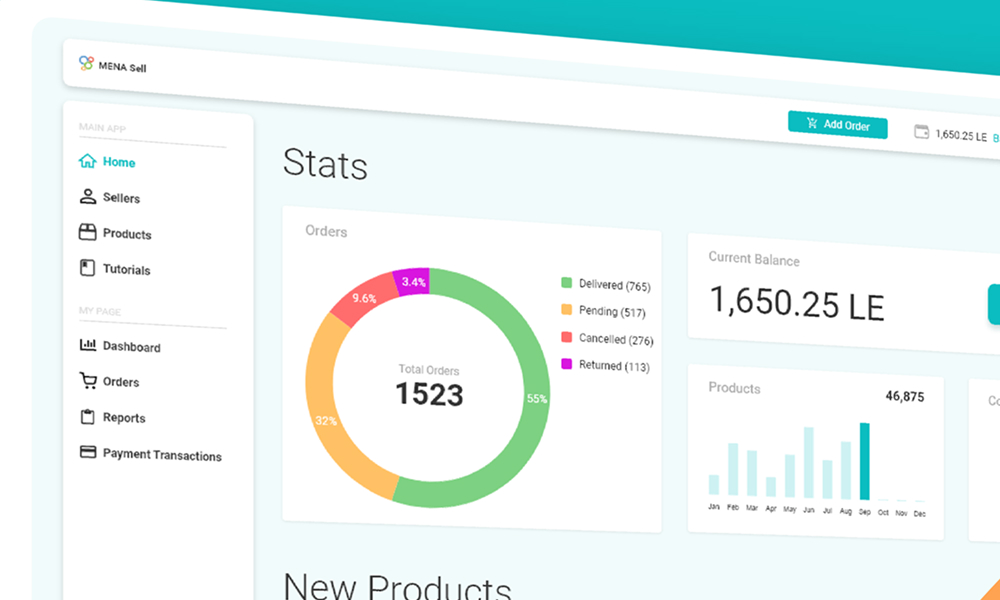
MENA Sell
Problem
Orders Were Locked After Creation
Contribution
UX workflow designer, interaction design
Easier & faster order placement
View Case Study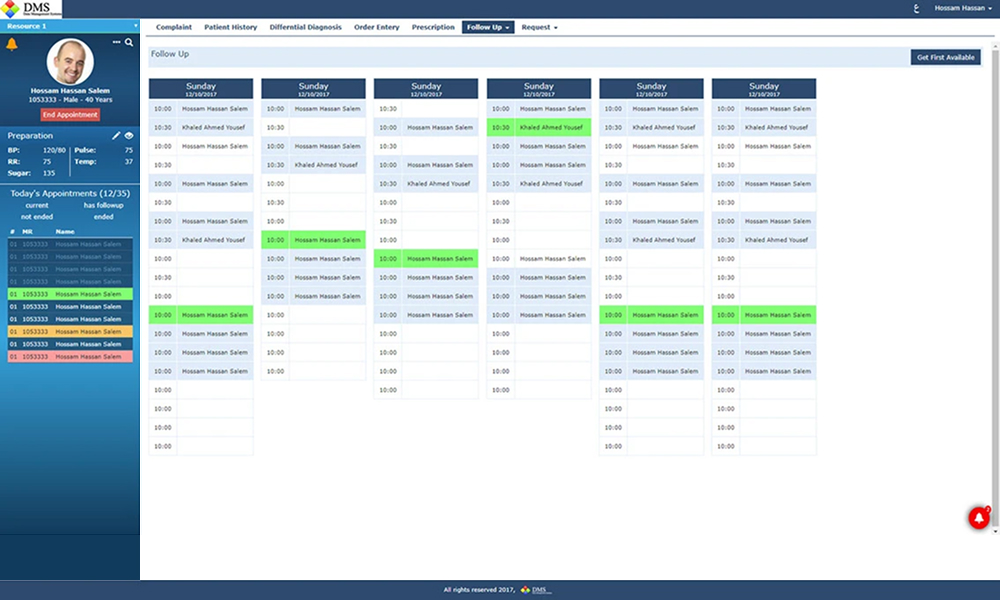
Outpatient Clinic
Problem
Eliminating sys-switching from the clinical workflow
Contribution
UX workflow designer, interaction design
Streamlined clinical workflow
View Case Study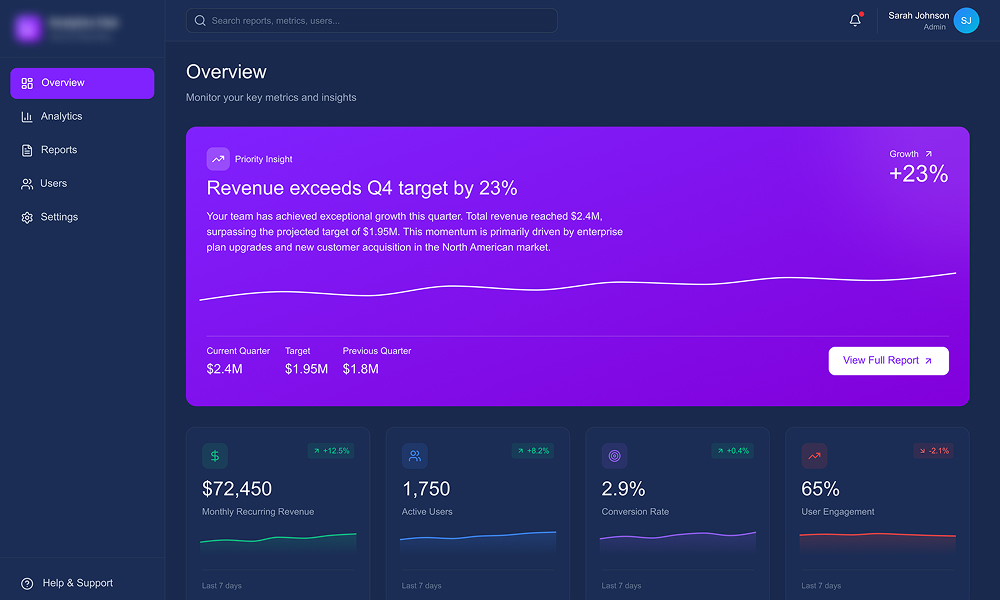
SaaS Platform
Problem
Confusing navigation and low feature discovery
Contribution
Complete UX overhaul + Angular component library
43% increase in feature adoption
View Case StudyIf the problem sounds familiar
I take on a small number of engagements at a time. If the timing is right and the problem is real, it's worth a conversation